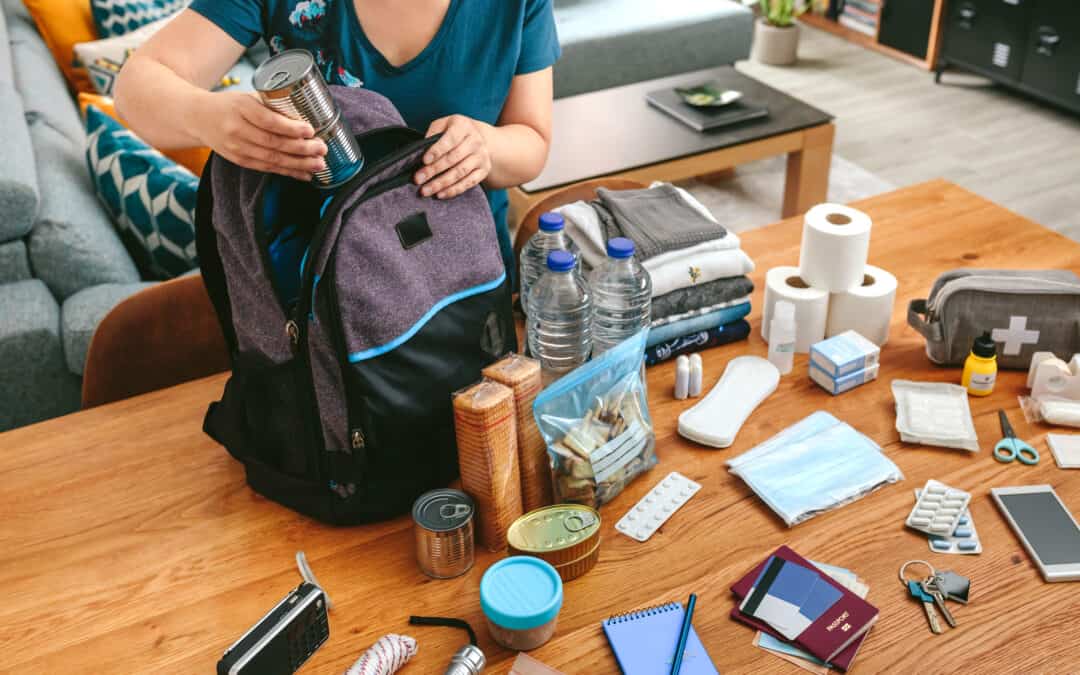
Emergency readiness depends on more than keeping supplies on hand. It also requires access to medications, updated records, practical planning, and trusted guidance before stressful situations develop. A local pharmacy can help individuals prepare by reviewing medication needs, refill timing, emergency supplies, and questions about safe storage. Ready.gov recommends keeping several days of food, water, and supplies in an emergency kit so households are better prepared when normal routines are disrupted.
- Supports access to needed medications
- Helps organize emergency supplies
- Encourages planning before urgent situations occur
Personalized Emergency Kits for Real Needs
Emergency kits work best when they reflect the health needs of the people using them, rather than relying only on a generic checklist. Pharmacies can help people think through medications, allergy treatments, first aid items, and supplies for ongoing conditions so the kit is more useful during a disruption. Ready.gov recommends including several days of food, water, and supplies in an emergency kit, along with personal items that fit each household’s needs. Tailored kits work better because they match real life.
- Includes condition-specific medications and supplies
- Supports several days of emergency preparedness
- Reduces gaps in emergency planning
2. Prescription Access During Disruptions
Medication access can become uncertain during emergencies, especially when transportation, power, or communication systems are disrupted. Pharmacies maintain digital prescription records and often allow early refills, which supports continuity of care when timing matters most. The Centers for Disease Control and Prevention advises individuals to keep an updated medication list as part of emergency planning. Reliable access prevents complications. It keeps treatment consistent.
- Supports early refill options when needed
- Maintains secure digital prescription records
- Helps avoid missed doses during disruptions
3. First Aid Supplies for Immediate Response
Injuries can happen quickly during emergencies, especially when people are dealing with debris, power outages, rushed movement, or unsafe conditions. A well-stocked first aid kit helps families respond to minor injuries right away while they wait for professional medical care when needed. Ready.gov recommends including a first aid kit in emergency supplies so households are better prepared when normal access to help or stores is disrupted. Quick access matters because it shortens response time.
- Provides essential bandages and antiseptics
- Includes wound care supplies for minor injuries
- Supports immediate injury response
4. Vaccinations That Reduce Risk
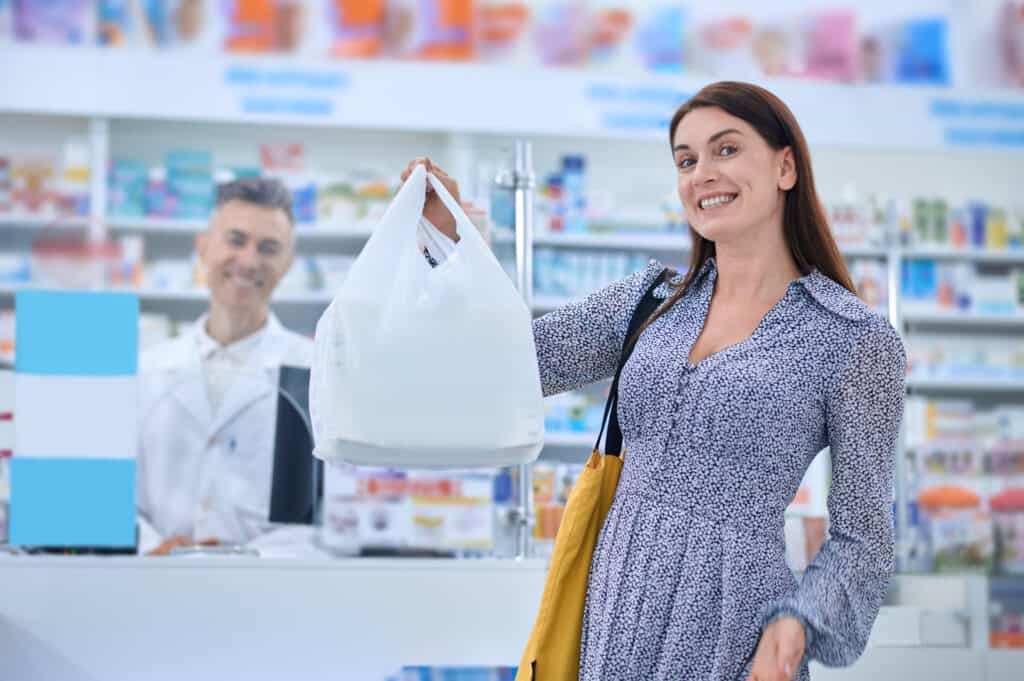
Disease spread can become a greater concern after disasters because crowded spaces, disrupted sanitation, and limited access to care may make illness harder to control. Pharmacies can provide access to recommended vaccines that help reduce the risk of preventable illness during stressful or high-risk periods. The CDC reports that flu vaccination reduced flu-related hospitalization by 41% during the 2018 to 2019 flu season among children ages 6 months to 17 years. Prevention strengthens resilience and lowers health risks.
- Offers access to recommended vaccines
- Reduces illness during high-risk periods
- Supports overall public health protection
5. Health Monitoring and Ongoing Support
Chronic conditions do not pause during emergencies, and monitoring them remains important even when routines change. Pharmacies offer services such as blood pressure checks and glucose monitoring, along with guidance on managing symptoms under stress. Access to these services helps individuals stay aware of their condition and adjust as needed. Consistency supports stability. Stability supports health.
- Provides blood pressure and glucose checks
- Offers guidance for managing conditions
- Helps maintain health during disruptions
6. Nutrition and Hydration Solutions
Access to food and clean water can become limited during emergencies, which makes preparation in this area essential. Pharmacies can carry hydration products, electrolyte solutions, and nutritional supplements that help support energy when regular meals are delayed or unavailable. Ready.gov recommends storing one gallon of water per person per day for several days for drinking and sanitation. Sustained energy and hydration help people function during extended disruptions.
- Supplies electrolyte solutions and hydration aids
- Provides supplemental nutrition options
- Supports energy during extended disruptions
7. Emergency Preparedness for Pets
Pet safety plays a major role in overall household preparedness, yet it is often overlooked until the last minute. Pharmacies support this need by stocking pet-specific emergency supplies that help owners care for animals during disruptions. Emergency preparedness for pets ensures that food, first aid items, and calming products are available when routines are interrupted. Pets depend on preparation. Their needs matter just as much.
- Pet first aid supplies for injuries
- Emergency food and water solutions
- Calming products for stressful situations

- About the Author
- Latest Posts
Family Drug Mart is a independently owned and operated pharmacy with our first location serving the community of Louisiana since 2006. Being a community staple, we’ve proudly taken on the role of improving Slidell, Peal River, Poplarville, Sumrall, and Brandon’s health care by providing fast and personalized service. We strive to make every experience you have with us a great one. At our pharmacy, your family is our family.